It’s hard to imagine that this is the 37th year of the biggest French Film Festival outside of France. With 38 films screening in 18 locations around Australia from 3 March to 26 April, this year offers a diverse program of dramas, comedies, romances, satires, thrillers and documentaries that will have you nodding, smiling and muttering “mais oui”, “c’est si bon”, or“magnifique”, and other such Francophile stuff.
At the media launch in Canberra of this year’s Alliance Française French Film Festival, the French Ambassador, Pierre-Andre Imbert, told us that in 2025 the number of admissions in Australia reached 199,000. This certainly says a lot about the popularity of French cinema and the fact that the festival can now be considered the primary French cultural event in this country. So, what’s the appeal?
The appeal of French film
In previous reviews I’ve made the point that the French are able to capture the peculiarities, tragedies and comedy of life and humanity on the screen in a way that no other film industry in the world can. French film has a nuance, subtlety and a way of depicting life that appeals to Australian audiences and it’s often done without blowing anything up, firing machine gunsor brutally bashing someone.
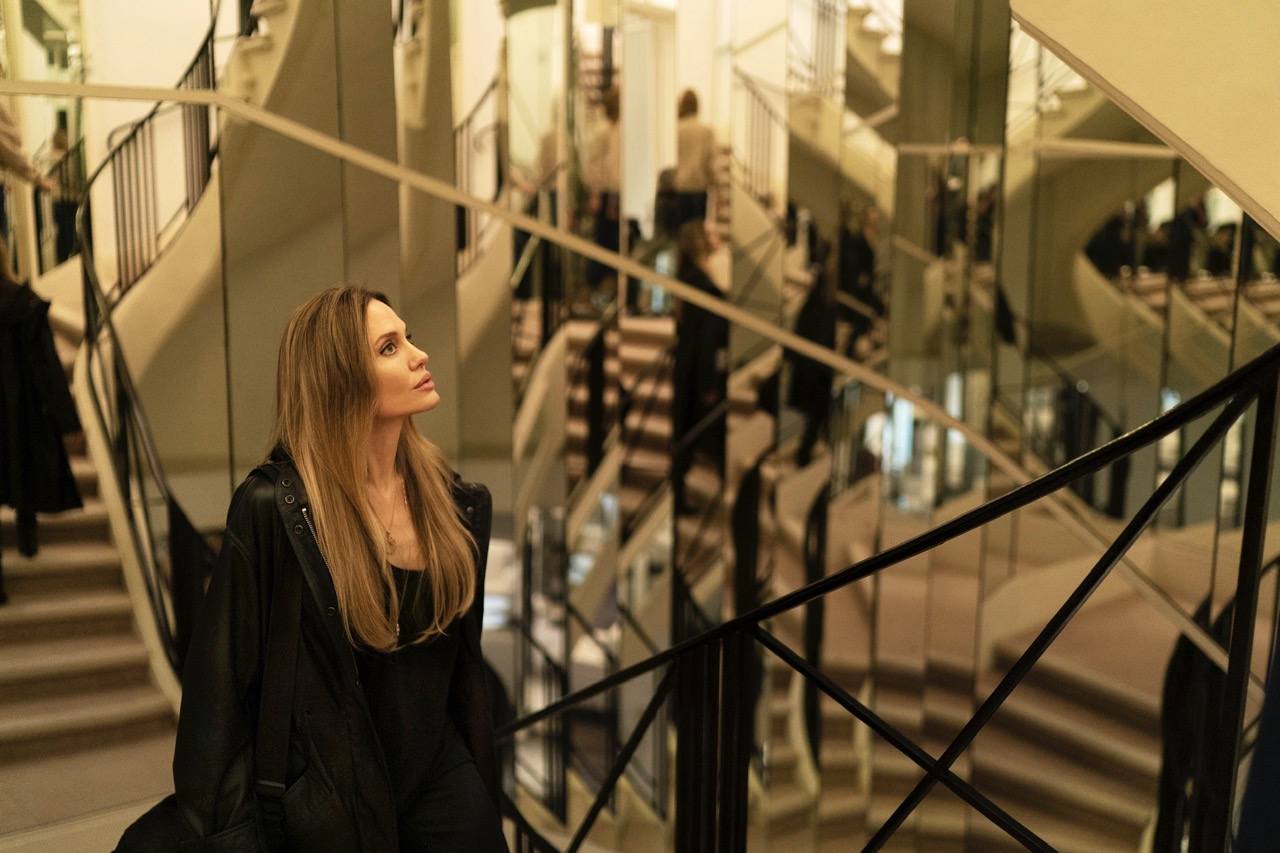
It is no coincidence that Hollywood has remade many successful French films. I also find it fascinating that this year we have some Hollywood actors takingup French-speaking roles with Jodie Foster in A Private Life and Angelina Jolie in Couture.
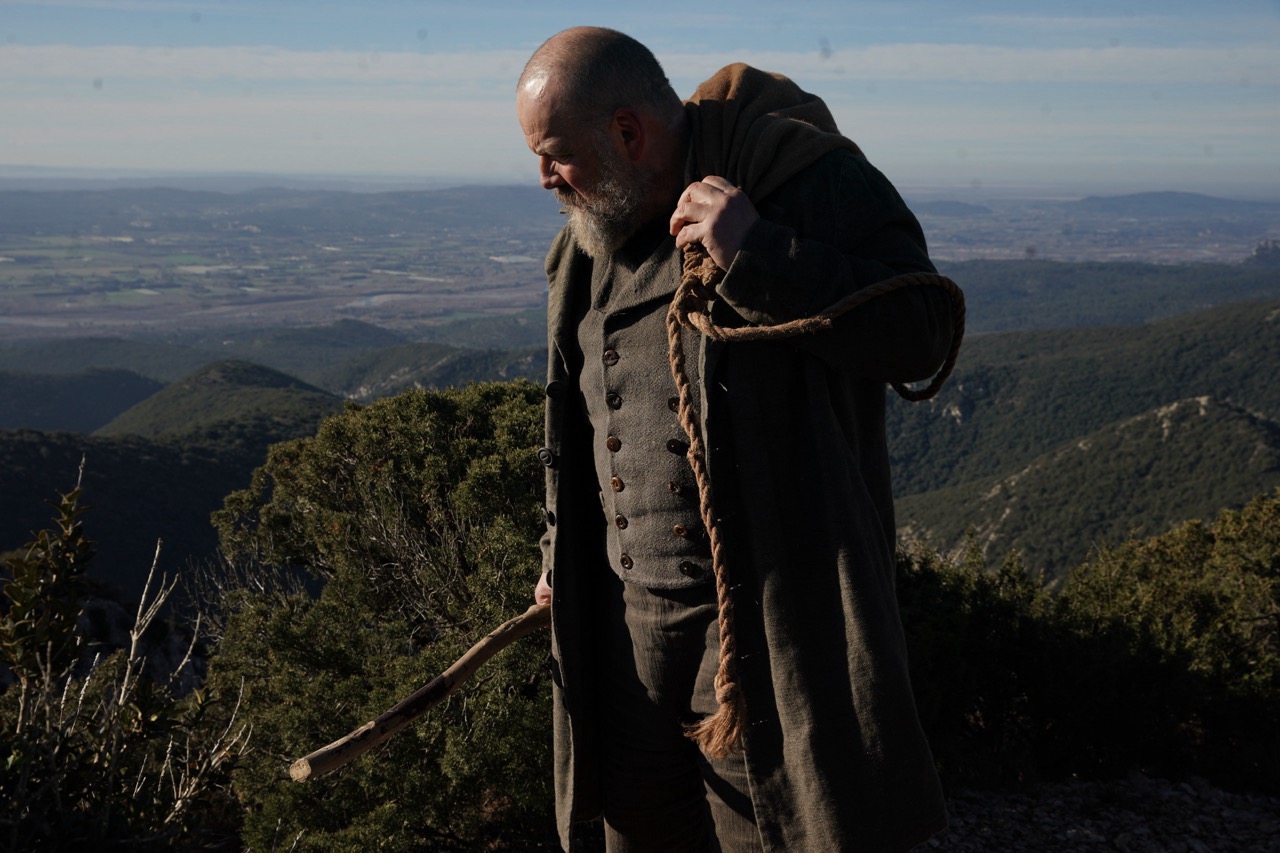
Sadly for me, this year there is no Alexander Dumas, but we do have some great movies based on classic French literature, such as the retelling of the story of Victor Hugo’s central character in Jean Valjean and a new adaptation of Albert Camus’ novel The Stranger. I always find that after watching such movies I always want to go back and reread the original novels.
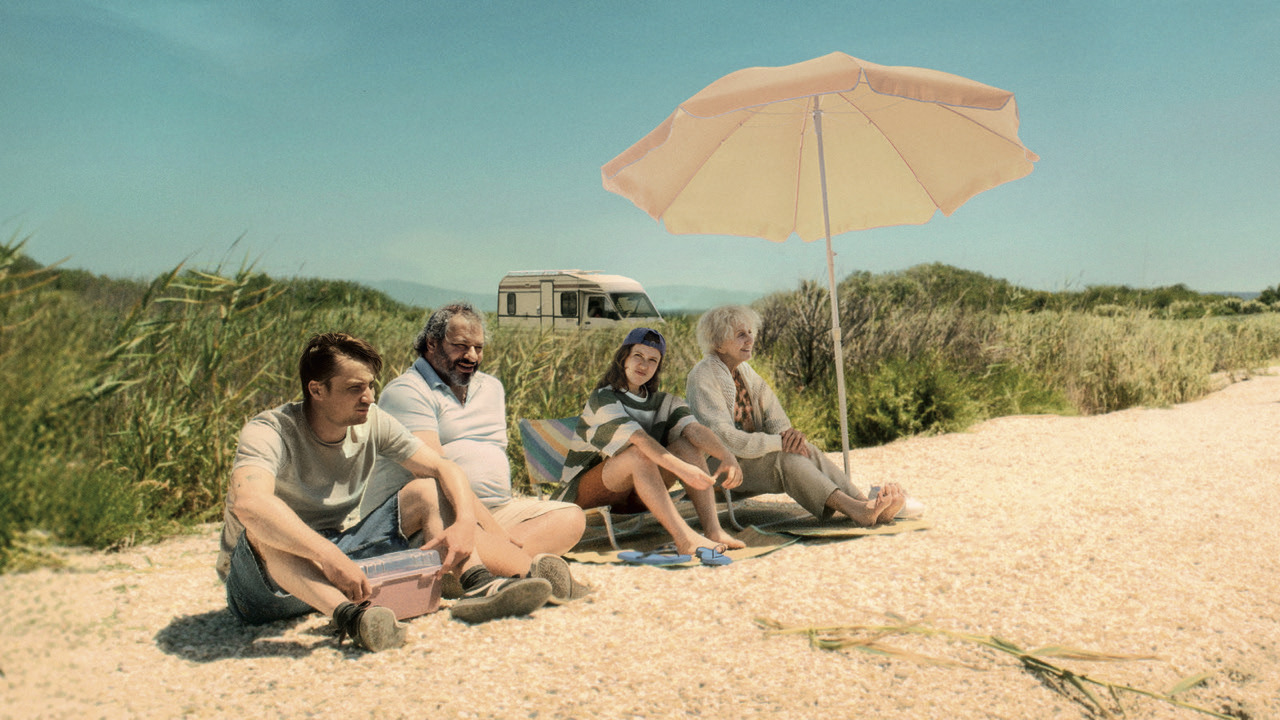
This year, as Gracie Otto, the festival’s patron, has pointed out, there is a diverse range of offerings from a new wave of female filmmakers with Amelie Bonnin’s Leave One Day, Enya Baroux’s Bon Voyage Marie, Julia Ducournau’s Alpha, Rebecca Zlotowski’s A Private Life, Alice Winocour’s Couture, and Lucile Hadzilhalilovic’s The Ice Tower.
Many of the films will have their Australian premier during the festival. Several are based on true events. One such is the ‘Centrepiece’ film, The Richest Woman in the World (La Femme la Plus Riche du Monde), featuring Isabelle Huppert as Lillian Bettencourt the billionaire heiress to the L’Oreal fortune. This movie was a big hit in France mainly because the scandal involving Bettencourt was sensational news at the time but also because it has some unexpected twists.
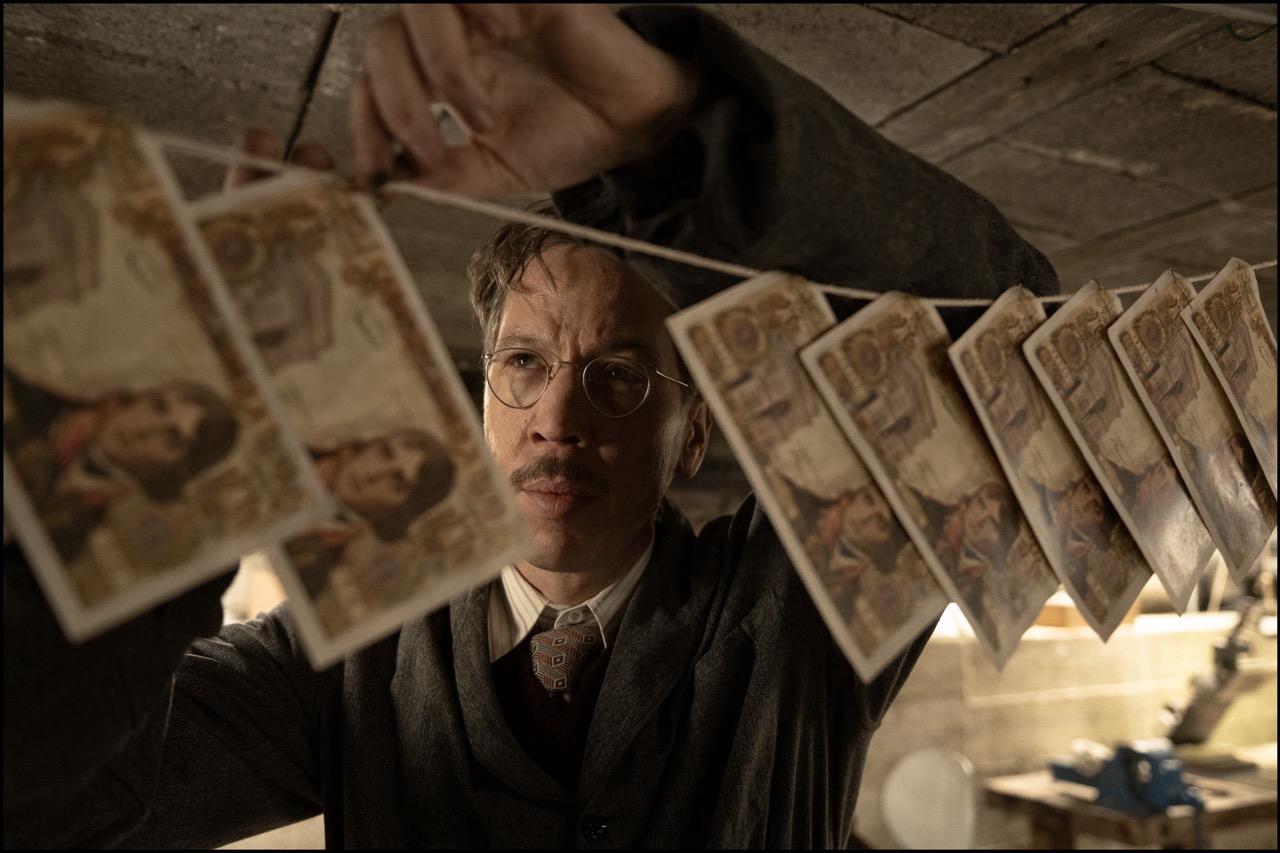
I’m very keen to see this movie if only for the fact that it will assist me in my Alexander Dumas withdrawal because Laurent Lafitte (last year’s Count of Monte Cristo) plays the love interest of that richest woman. Another movie based on true events is The Money Maker (L’Affaire Bojarski) depicting the life of Jan Bojarski, a master counterfeiter who spent World War Two forging false identity papers, but whose fortunes post war fell on hard times until he turned his skills to money making – literally.
At the media launch in Canberra, Frederic Alliod, the CEO of the Alliance Française French Film Festival, talked about what is in a sense a travelogue of French cinema with films set in locations all around the world. He called it France’s “passport to the world” and suggested that it highlighted the country’s ability to tell stories that resonate far beyond its borders”. Those locations include Italy, Afghanistan, Taiwan, Egypt, USA, Morocco and Algeria.
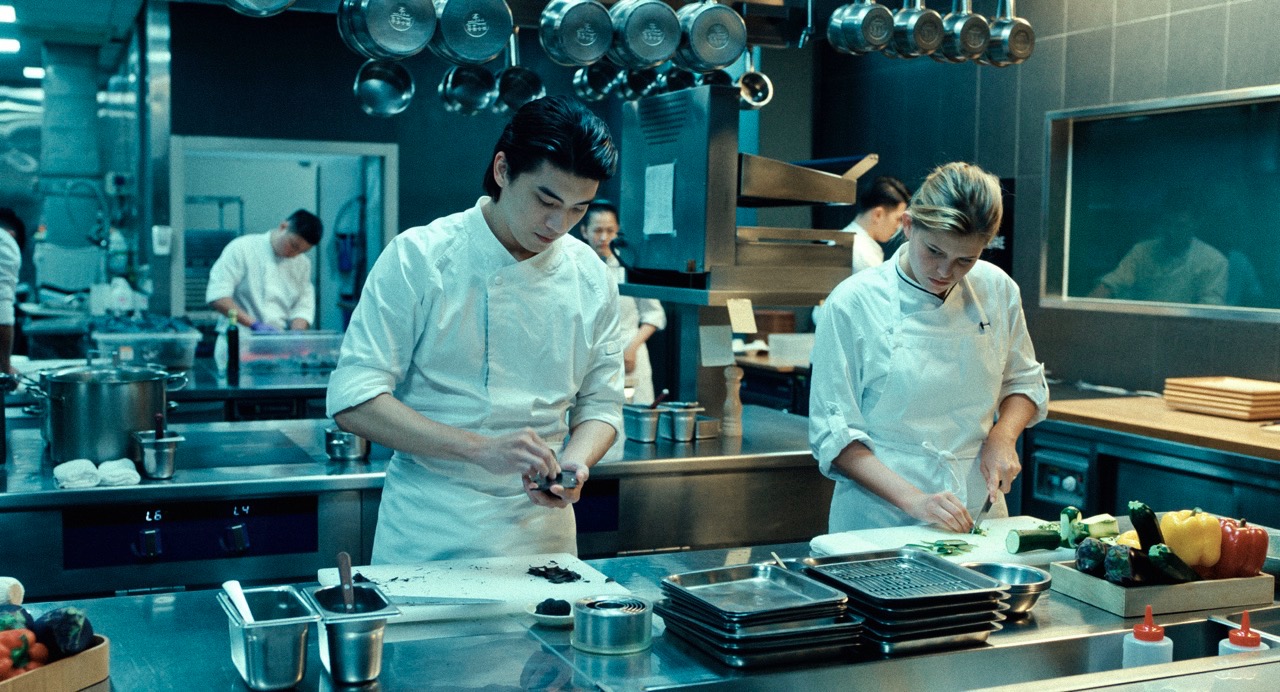
Having recently visited Egypt I’m especially looking forward to seeing Treasure Hunters: On the Tracks of Khufu (Le Secret de Kheops), a combination of fact and fiction and, like most archaeological adventures, based on what seems like a plausible theory. Combining a French culinary focus and a Taiwanese location is Redress (La Reparation), and what could be better than a mystery involving Michelin stars – another ‘must see’?
Also, a must-see comedy/drama is the opening night film, Colours of Time (La Venue de L’Avenir), capturing the fascination with discovering your past. In this case it’s the 1895 ancestor of four people who in 2025 uncover the intriguing story of a woman with echoes to their present.
In the mid-1960s, the tune that captured everyone’s imagination was the theme from A Man and a Woman, and this year the classic Claude Lelouch movie is back as the festival’s retrospective. This is a timeless classic which, if you haven’t seen it, will give you a true sense of the enduring depth and emotional appeal of French cinema.
At the media launch we were treated to a screening of The Party’s Over (Classe Moyenne), a dark comedy of class warfare, as a live-in caretaker family for a rich family’s luxury villa react to years of being taken for granted, looked down upon and underpaid, all erupting in some very funny scenes and unexpected consequences. The final scene of this movie subtly sums up the meaning of class privilege in a way that Hollywood could never do. Don’t miss it.
So, this year nothing involving Alexander Dumas, although I’ll give a shout out to French filmmakers and suggest that the man himself, apart from writing classic historical novels, was a travel writer and gourmet, writing extensively on both subjects and thus worthy of more attention and movies devoted just to him. Nevertheless, even without Alexander Dumas, this year is the best French Film Festival so far. A big call you might say, but don’t take my word for it, check it out yourself.
The Alliance Française French Film Festival runs from 5 March to 8 April 2026 at Palace Electric Cinema Canberra. To view the full program for locations around Australia, and to buy tickets, visit affrenchfilmfestival.org