It was seeing the people playing chess in the Old Church on the Hill that convinced me Bendigo is the special community its marketing people say it is.
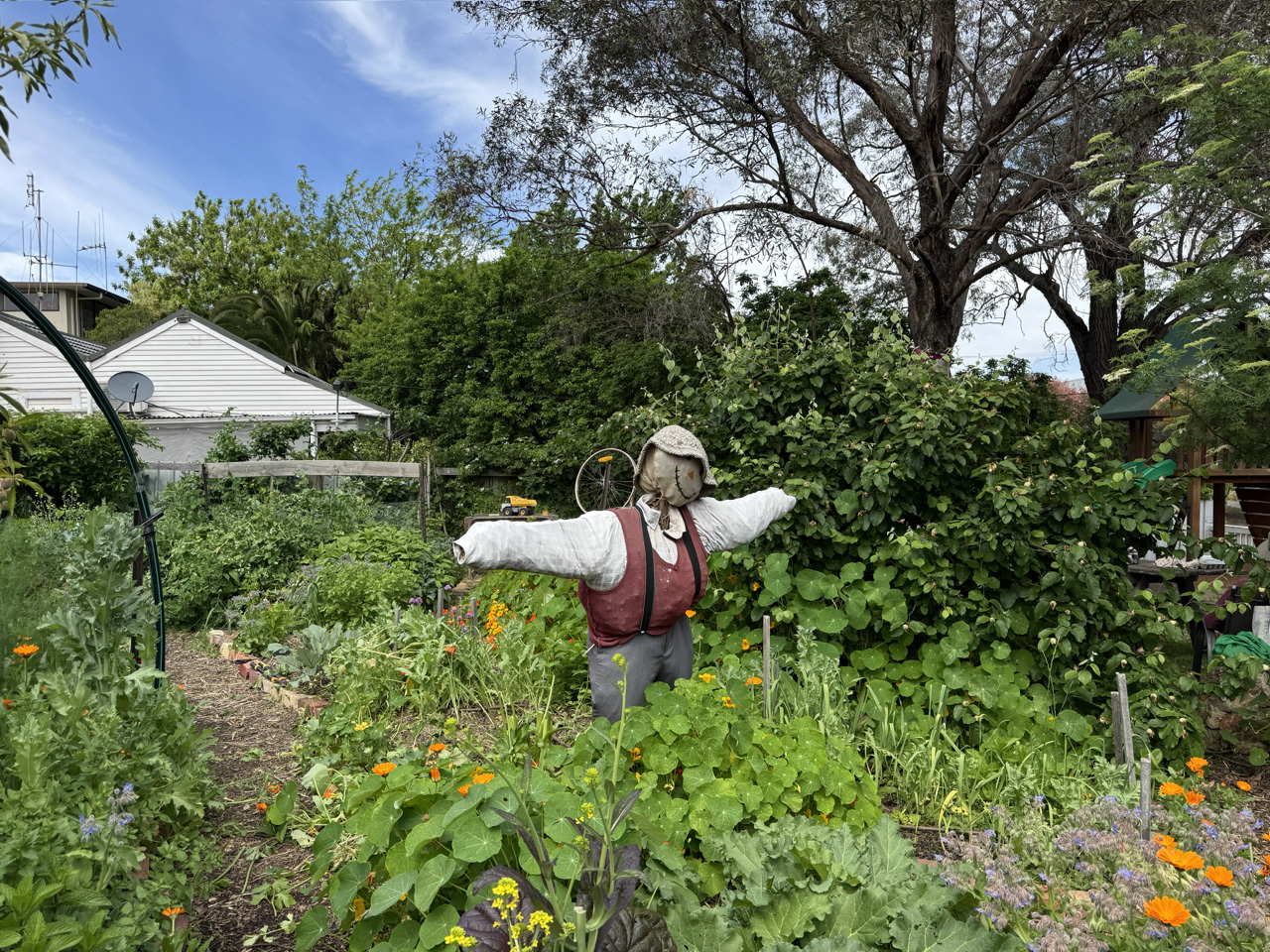
The large group of enthusiastic chess players, most of them young boys, many from often marginalised migrant communities, were one big family in the re-purposed Old Church, a gathering space which started with a small community garden and blossomed into the vibrant community centre it is today.
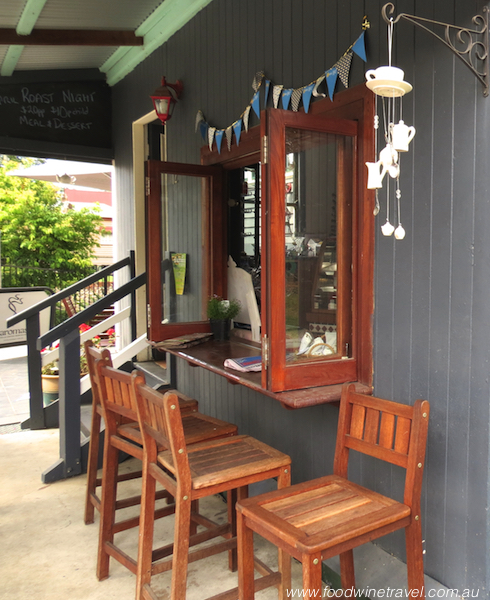
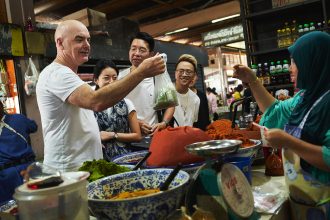
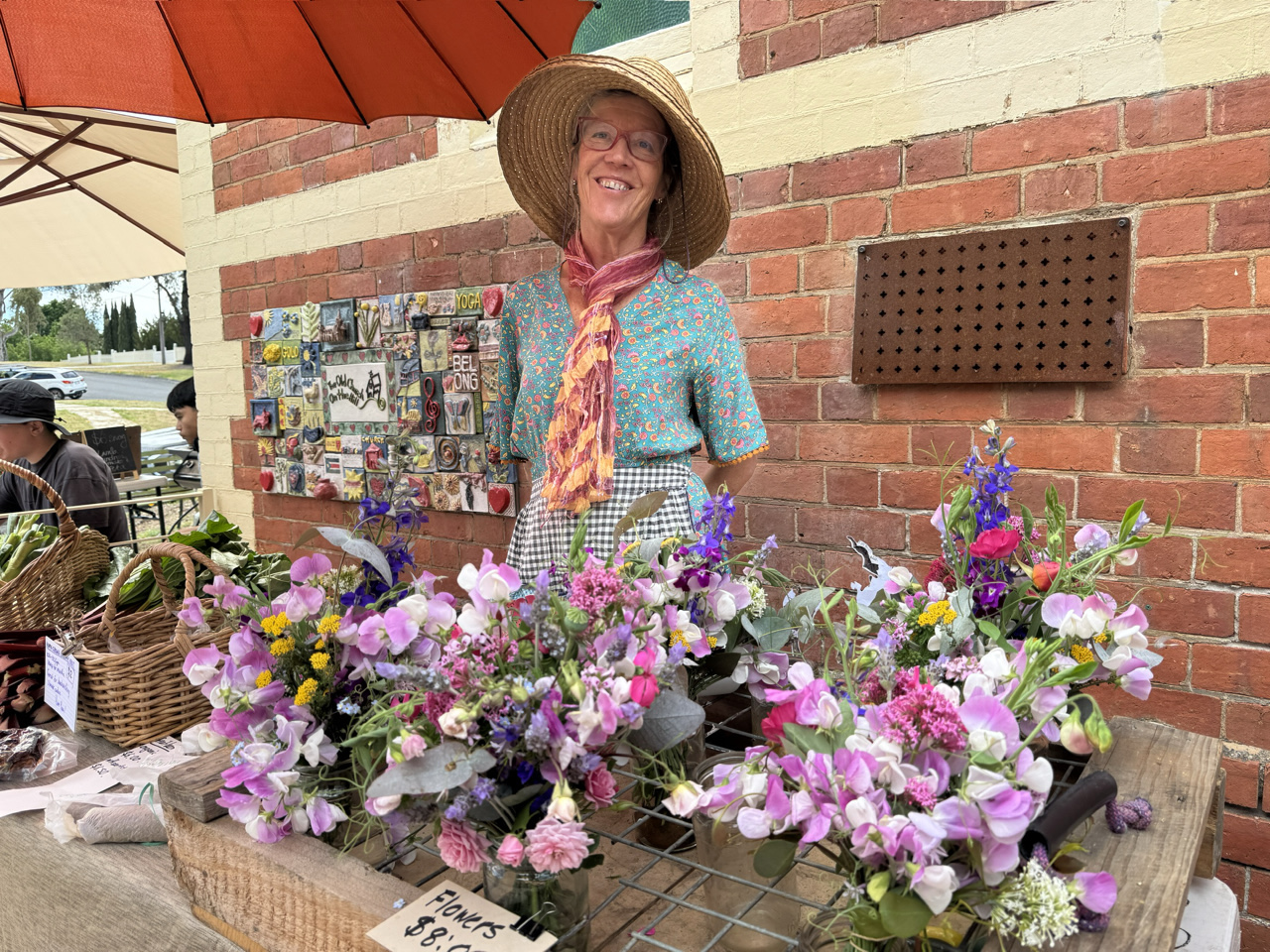
Outside, there was a small market where a woman from Afghanistan was selling her delicious baklava, still warm from the oven; a man was selling the freshest looking greens; another stallholder brought a smile to our face with her pretty flowers. People kicked back with a coffee and cake from the community-run café and families played in the flourishing garden, all lovingly tended by volunteers.
It was a gloriously sunny Sunday morning and there was nowhere else in the world I would rather have been.
There is a lot of talk about crime in Melbourne, casting a pall over migrant communities who have fled violence in their home countries only to find themselves in a different sort of nightmare. But in Bendigo, less than two hours up the road, everyone is welcome with open arms in the Old Church on the Hill.
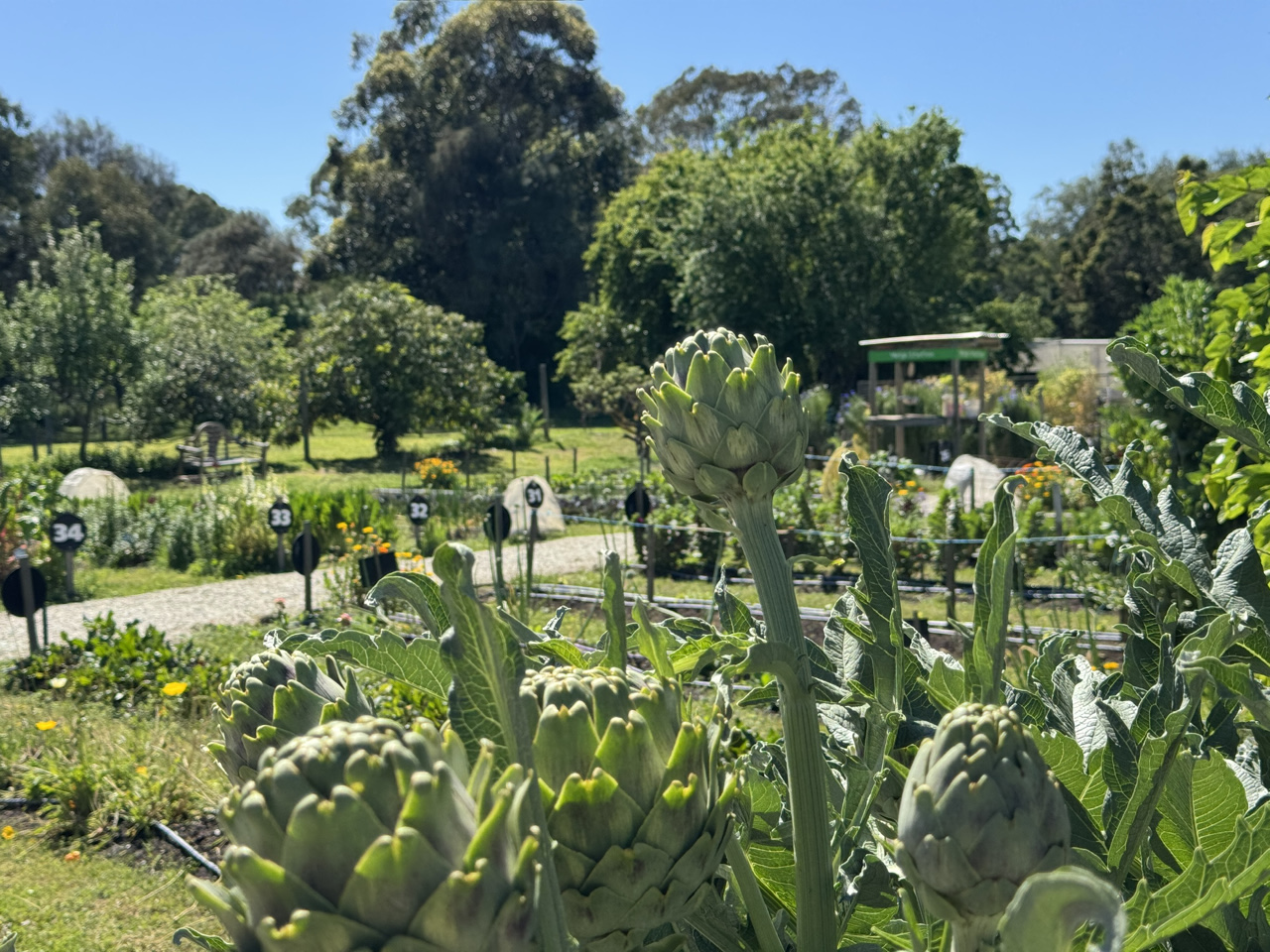
It’s the same spirit of inclusivity over at Peppergreen Farm where 66% of the 80 employees working in the garden, café and shop are people with disabilities. A drawcard for locals and visitors alike, Peppergreen is living proof that you can have meaningful tourism experiences while supporting valuable social enterprises.
This beautiful community spirit sees Bendigo warmly embracing its indigenous history and the legacy of the Chinese, who arrived in droves during the 19th century Gold Rush. It is borne out in the preservation of many of the city’s wonderful heritage buildings, like the Ulumbarra Theatre, a former 1863 prison transformed into a cultural landmark.
It extends to the region’s vibrant food and wine scene where sharing the abundance of Bendigo and its surrounds is one of the pillars of its classification as Australia’s first UNESCO Creative City and Region of Gastronomy.
Without exaggeration, it probably even extends to the staff in the Julie-Anna Inn, the modest country-style lodgings where we stayed for three nights. The staff were so personable, so welcoming, so forthcoming with suggestions for things to see and do, it was a welcome rarely found today.
The history and character of Bendigo is inextricably linked with the discovery of gold in 1851. The Central Victorian town boomed with the discovery, becoming one of the world’s richest cities by the 1880s. The legacy of the Gold Rush is a rich collection of colonial buildings and a tramway that remains to this day.
The Vintage Talking Tram stops to let visitors off at the Central Deborah Gold Mine where almost a thousand kilos of gold were extracted from the mid to late 1900s. Many of the early settlers were Cornish miners, valued for their experience in mining hard rock but working in terrible conditions that often led to silicosis and an early death. “Thirty-five was old age,” said Graham, our guide on an underground tour of the mine as he demonstrated the awfully loud pneumatic drill that was known as the “widow maker”.
Locals save the tram
Insights into the region’s history can be gleaned as the dear old tram with its open windows and polished wooden seats rolls gently through the city streets. An estimated 20,000 people gathered to say an emotional farewell when the tramway closed as a commuter service in 1972, but in another show of community spirit, locals banded together to save the tram, with a trust established to manage it.
As Australia’s oldest operating Tram Depot, it gladdens the hearts of history buffs, rail enthusiasts and anyone who enjoys the charms of yesteryear. You can even take your furry friend on board — the Tram website lists nearby parks, attractions and cafés that are dog-friendly.
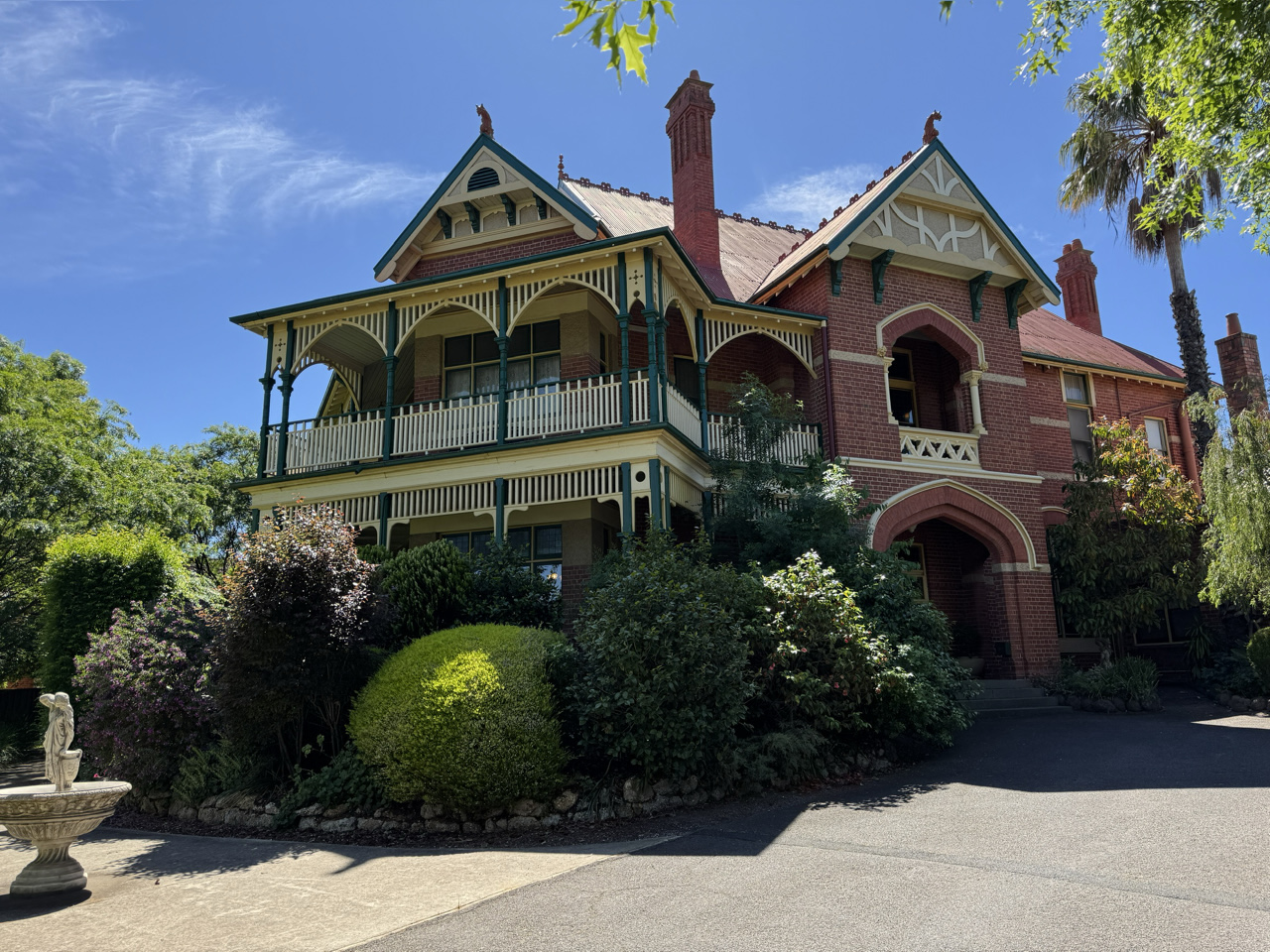
Langley Estate is another Bendigo attraction that narrowly escaped demolition. Touring the magnificent 50-room Federation house and surrounding gardens, it’s hard to imagine that in 1979 a motel and 20 new homes were planned for the site.
When a local councillor stepped in to buy the developer out, it was a welcome reprieve for the 1903 mansion that had originally been built for Bishop Henry Langley and his large family. The house has served various purposes over the years, accommodating Gallipoli veterans for a time, and later operating as a toddlers’ home, providing accommodation and support for young children from families in need.
Musicians Thomas and Simone Heywood toured the world for 30 years before buying Langley Estate and transforming it into a premium accommodation and events centre hosting high teas, concerts, guided tours, open gardens, food and wine tastings and other events.
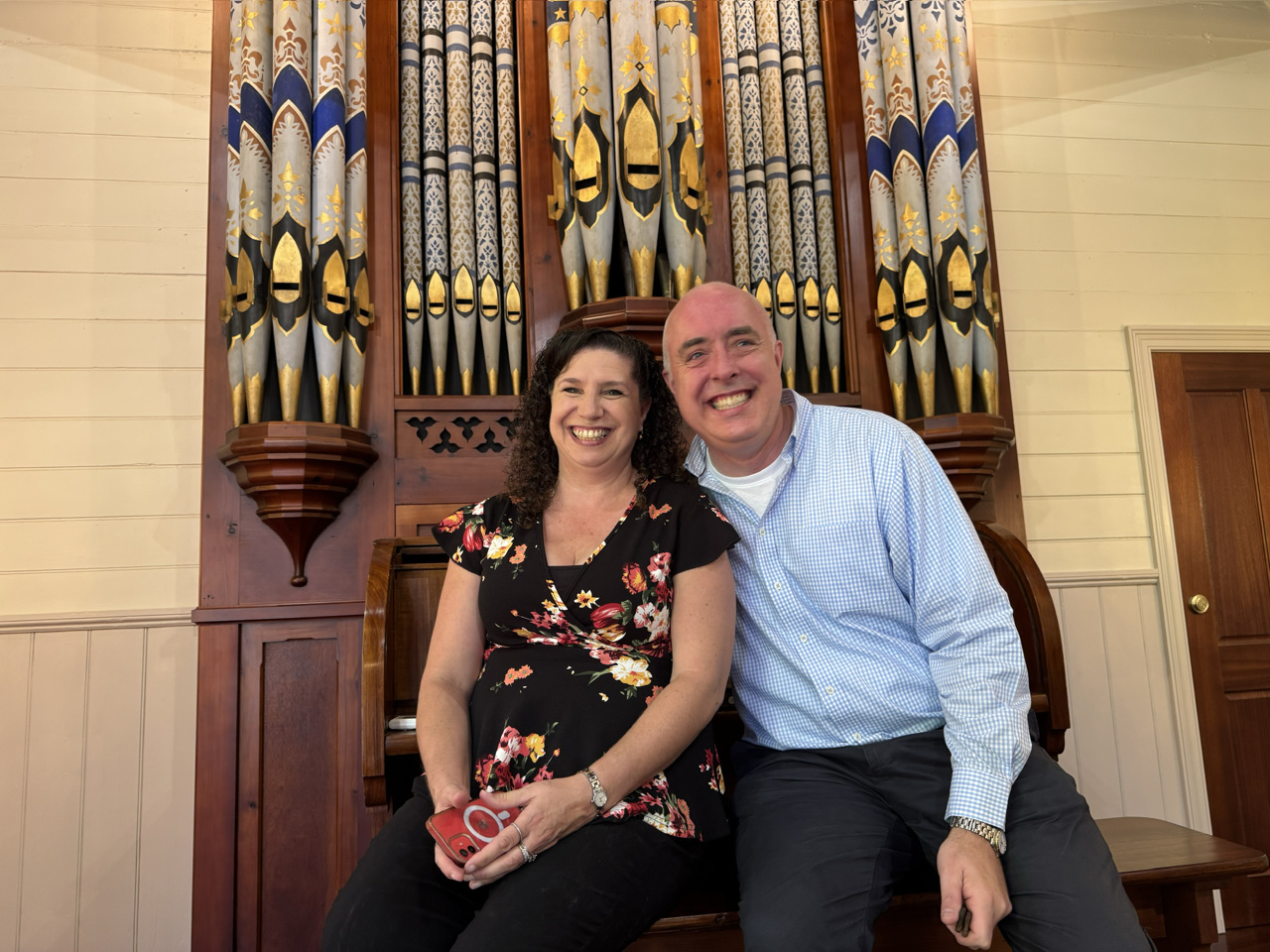
An 1873 chapel on the estate has a new life as a performing arts venue, complete with an 1875 pipe organ that Dame Nellie Melba once practised on. Hearing Thomas play a spirited rendition of Bach’s Staccato in D Minor on this rare and magnificent instrument is an absolute treat, and one of the highlights of my Bendigo visit.
It’s clear that not only is this a caring community, it’s also a creative one, the city a dynamic arts hub thanks in large part to the Bendigo Art Gallery being a visitor drawcard. Currently closed for redevelopment and due to reopen in early 2028, the gallery holds a significant permanent art collection as well as hosting temporary exhibitions with broad appeal.
I’ve visited two of these in the past few years – Frida Kahlo: In Her Own Image and Elvis: Direct From Graceland – and one thing that really struck me was the way in which local businesses embraced the exhibition themes. From restaurants and even the Vintage Tram decked out in colourful Mexican bunting for Frida, to a patisserie creating blue suede chouxs for Elvis, there was a fun and joyous atmosphere across the city.
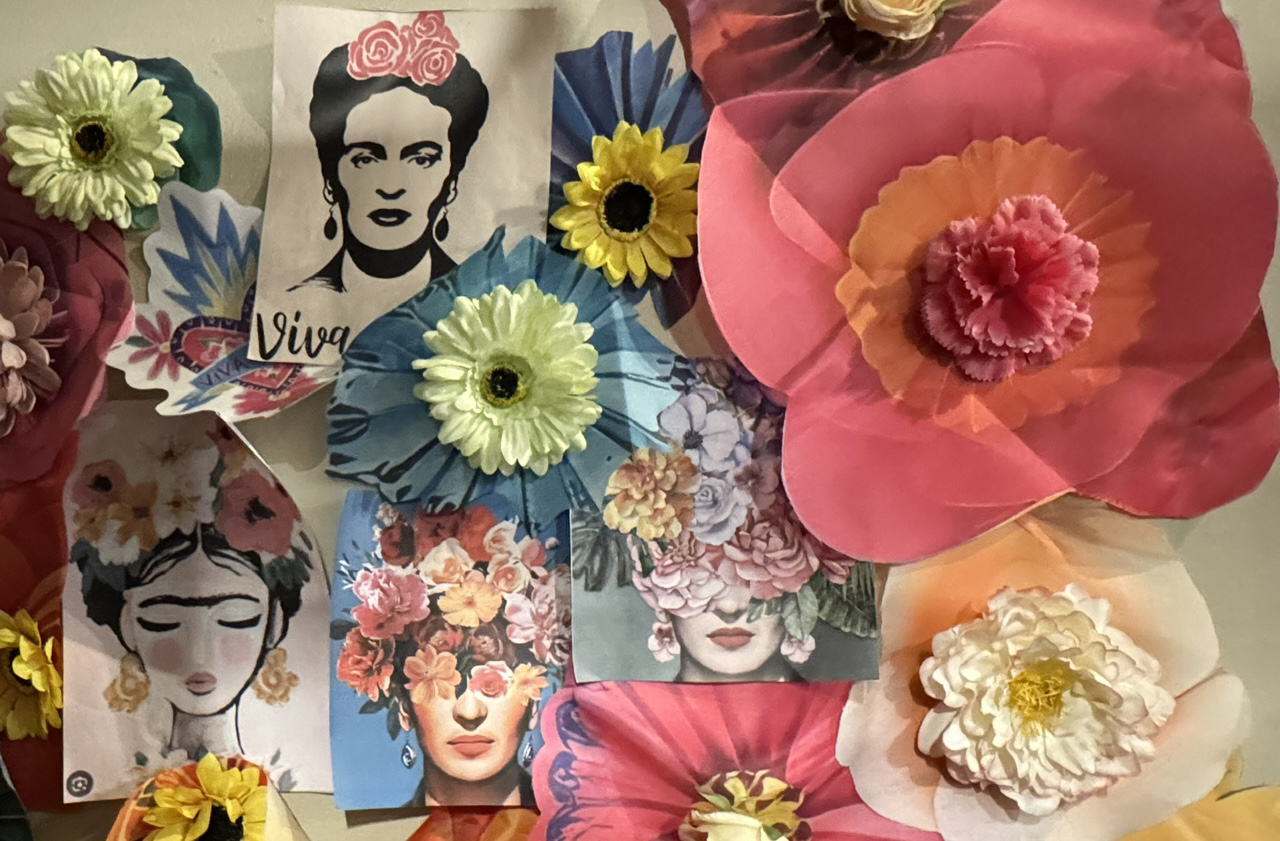
In a further expression of Bendigo’s creativity, the city boasts a vibrant street art and creative laneway trail highlighting murals, sculptures, neon light installations, pottery, architecture and fashion. Bendigo Tourism has a downloadable brochure for people wanting to do a self-guided walking tour.
Community was at the heart of Bendigo becoming a UNESCO City of Gastronomy in 2019, according to the City of Greater Bendigo’s Destination and Experience Manager, Glenn Harvey. “It was very much at a community level; it wasn’t so much a tourism pitch,” he said of the hundreds of pages of submissions that were required to prove the region’s commitment to sustainable food practices, local produce, and culinary heritage.

With around 400 small-scale food producers, 120+ wineries and breweries, flourishing apple and olive industries, and significant First Nations‘ food production initiatives, the region is justly proud of its global recognition. It helps that the city sits on the doorstep of the Heathcote wine region, where the ancient red soils produce world-class Shiraz and other premium reds.
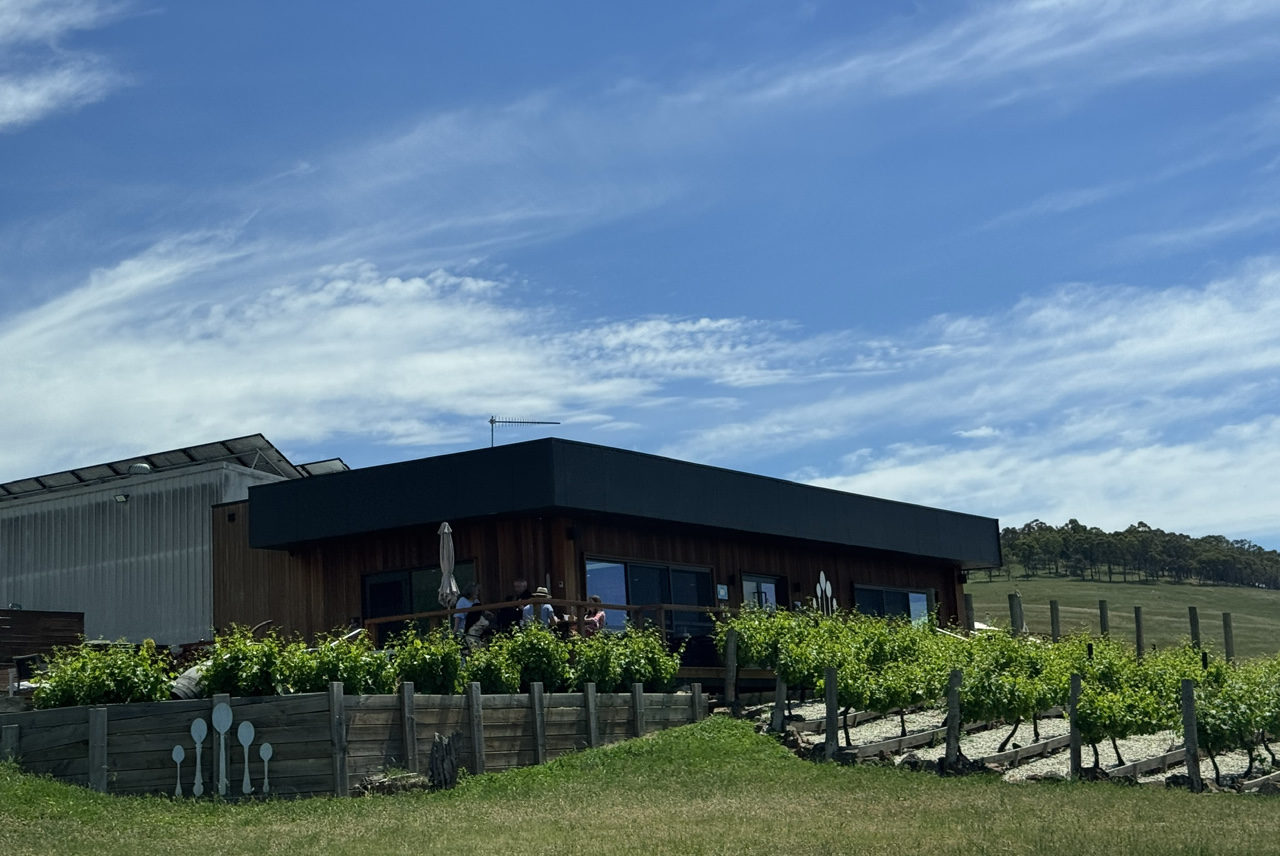
So deeply committed to sustainability is one of those wineries, Silver Spoon Estate, that it operates completely off-grid — all while turning out impressive wines and a level of dining that marks it as one of Australia’s finest regional restaurants. I’d wager a bet that if you haven’t heard of Silver Spoon Estate, you’ll be hearing a lot more about it in future.
Owners Peter and Tracie Young are hands-on operators who are passionate about Victoria and using local produce. When she’s not front of house, Tracie produces desserts like Limoncello Gin Ice Cream and Fortified Shiraz Ice Cream, providing a delicious finale for the stunning comfort food produced by head chef, Ben Hong. His Korean chicken, produced with his own secret sauce, is finger-licking good.
Not surprisingly for a City of Gastronomy, Bendigo punches well above its weight when it comes to fine restaurants (Terra, Miss Batterham’s, and Le Foyer are among others I can vouch for). Yet culinary excellence is not the only pillar of gastronomy. Along with sustainability, innovation and integrating First Nations food knowledge, healthy eating is one of the four pillars of the UNESCO classification.
Bendigo scores well on this score with many grass-roots initiatives to reduce food poverty, including Bendigo Foodshare which every week feeds a staggering 15,400 people in central Victoria. A purpose-built food-relief warehouse and an army of more than 400 volunteers help address the problem of food insecurity. Chief executive officer Michelle Murphy said demand for food relief had grown by more than 40% since Covid-19.
Resilience through Covid and other challenges
Covid very nearly broke the spirit of Andy Lawson, owner of Whitby, overlooking Lake Weeroona. An emotional Lawson recalled that the then Boardwalk Café went through a very tough few years leading up to 2024 when he rebranded the venue as Whitby, a more sophisticated dining experience but still with relaxed local charm. “It’s fun but focused. We love local,” he said.
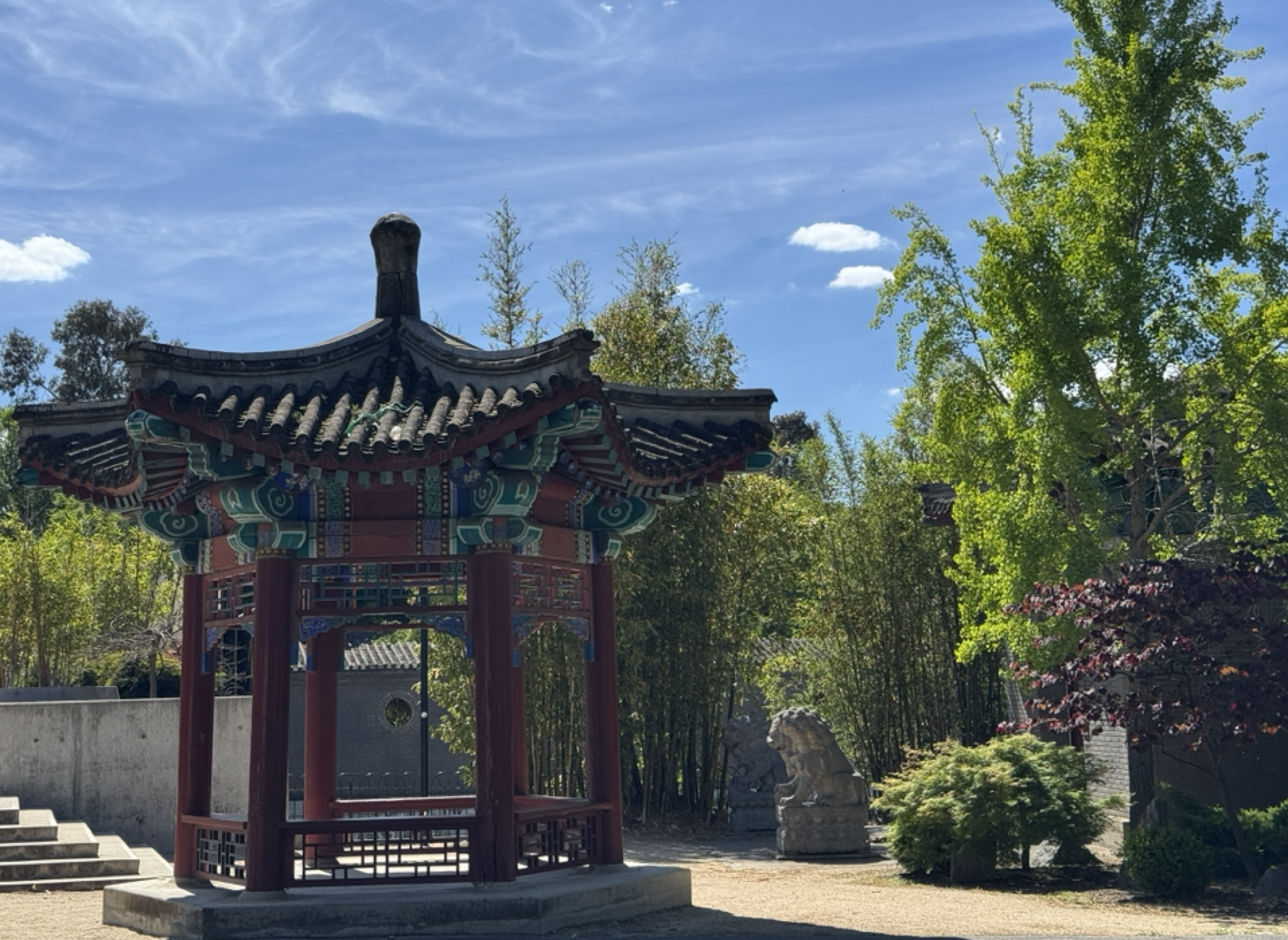
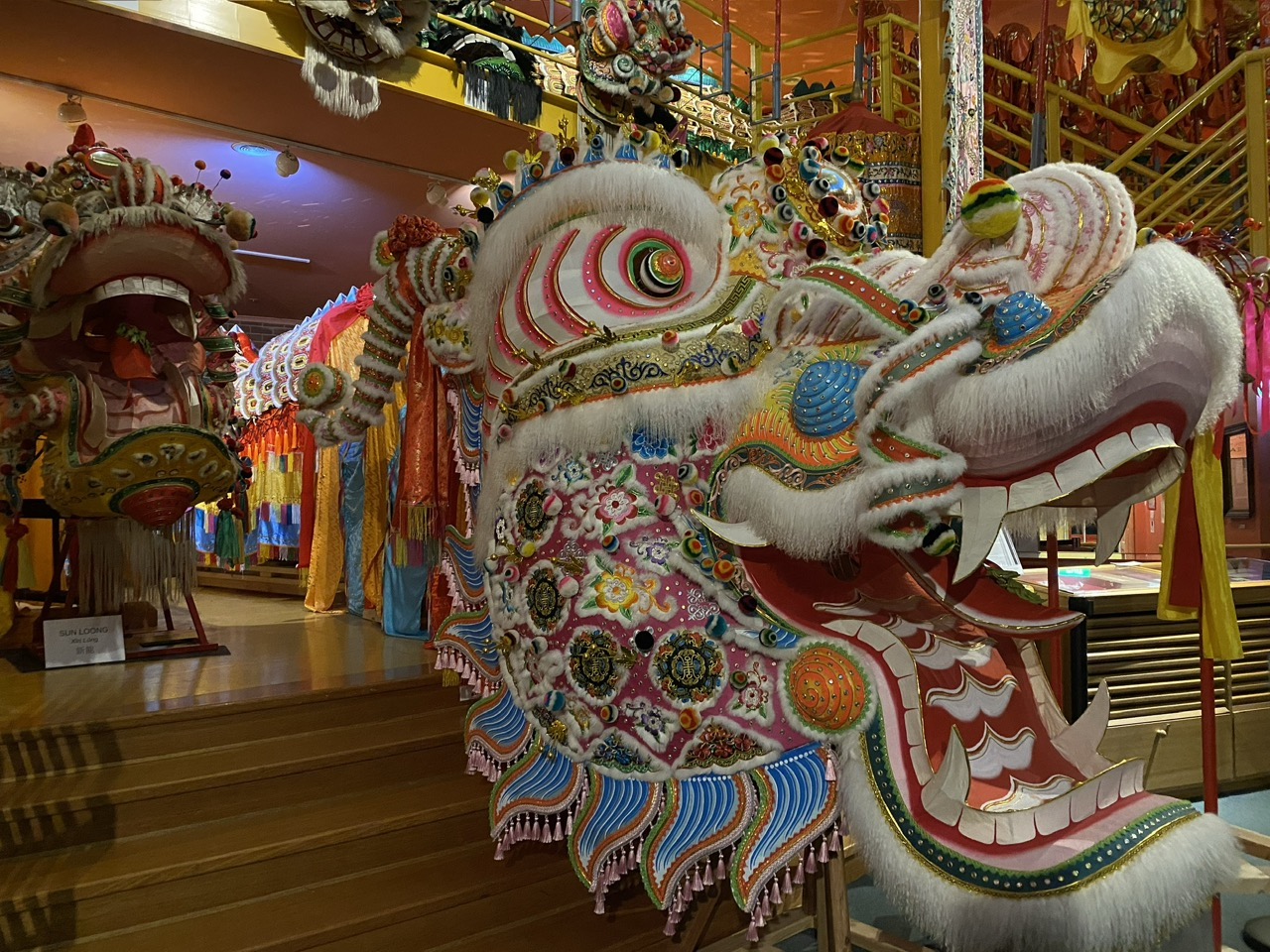
Resilience has seen the people of Bendigo navigate their way through some dark chapters relating to both its Chinese legacy and its indigenous history. Today, the city honours the Chinese contribution in a fascinating collection of treasures at the Golden Dragon Museum, where the star of the show is Dai Gum Loong, the world’s longest imperial dragon. On the outskirts of the city, The Great Stupa is the largest Buddhist temple outside of Asia.
Tours led by knowledgeable guides explore the culture of the land’s traditional owners, the Dja Dja Wurrung (Djaara) and Taungurung people. Their stories are shared through performances and public art installations such as Djaara Lights, a display of street art and neon artworks along Oscars Walk, neighbouring Bendigo Creek.
Further along Bendigo Creek is Larni Garingilang, a precinct in the Botanic Gardens featuring local indigenous plants and trees, many of which were used by the Djaara for food, medicine and tools. It was elsewhere on Bendigo Creek that two women, Margaret Kennedy and Julia Farrell, discovered gold in 1851, leading to the Gold Rush that irrevocably changed the town.
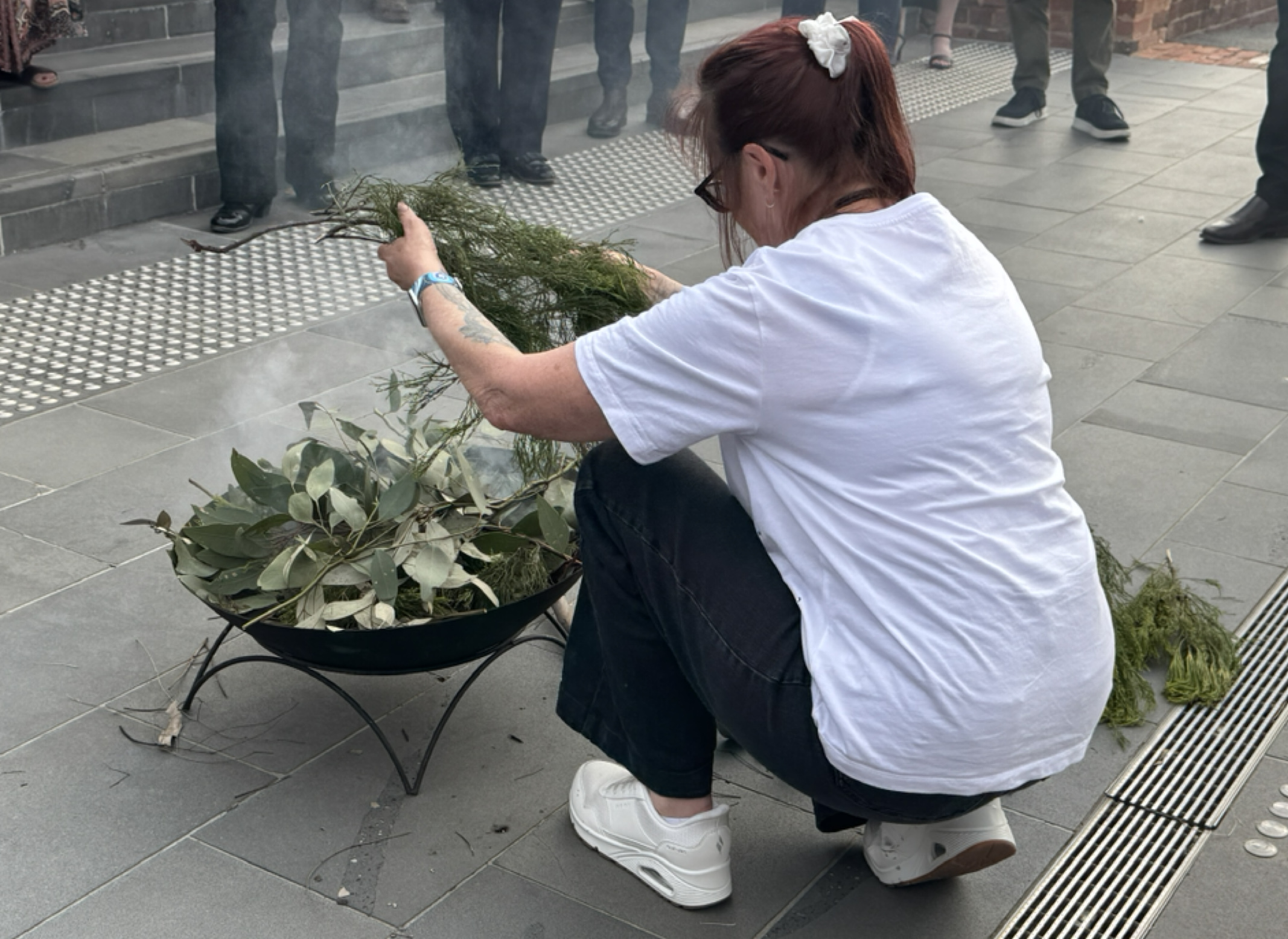
In a Welcome to Country at Ulumbarra Theatre – which means “gather together” in the Djaara language – an Aboriginal elder recalled that her ancestor was born on the banks of this very same creek. As city officials and my travel writer colleagues paid our respects to the land’s traditional owners and a smoking ceremony provided the opportunity for a spiritual cleansing, it was clear that in this enterprising and socially minded city the community bonds run deep.
More information: bendigoregion.com.au
I’ve visited Bendigo and the surrounding region on numerous occasions, most recently as a guest of the City of Bendigo when it hosted the 2025 Australian Society of Travel Writers (ASTW) annual convention. The ASTW has a tradition of donating to a cause in the host destination and it’s a pleasure to report that its $1,000 donation on this occasion went to Bendigo Foodshare.