
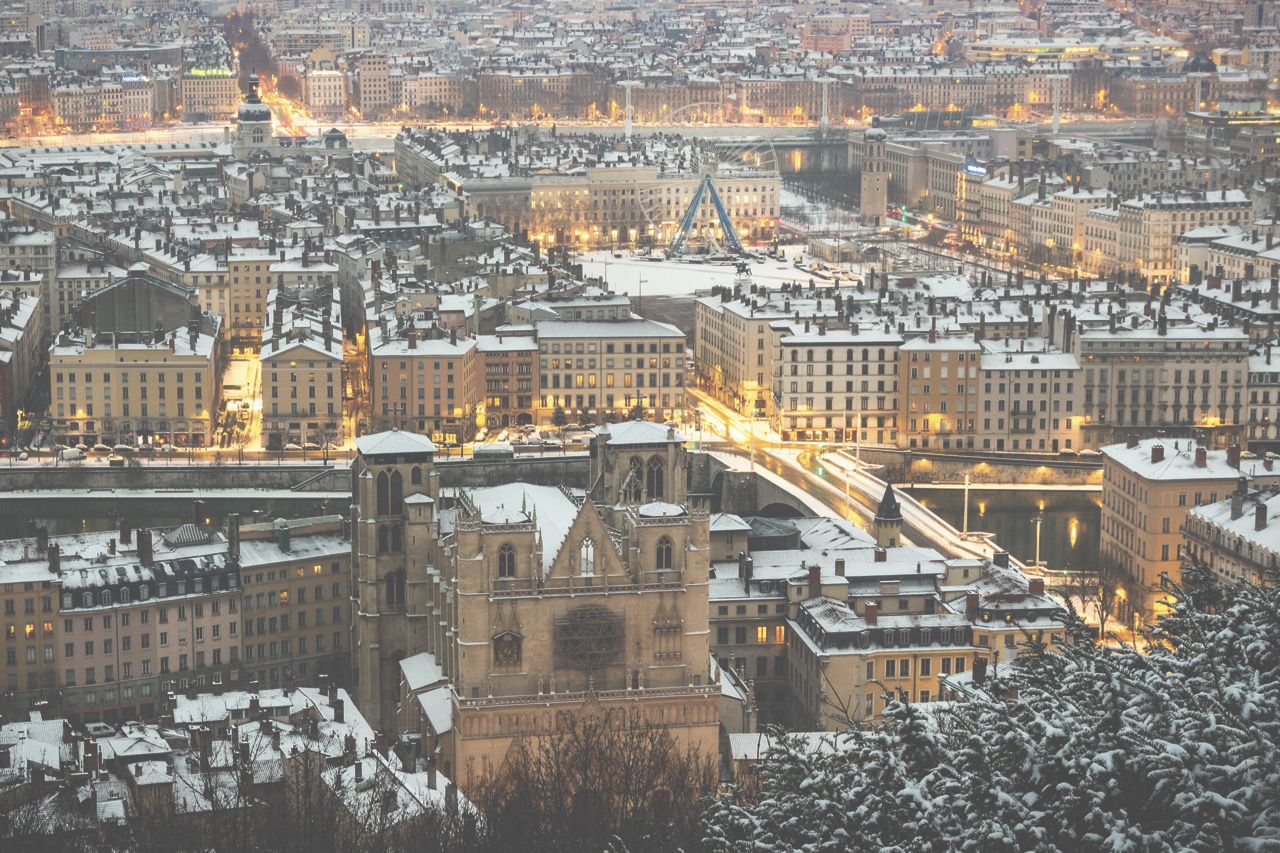
Writing this from Lyon, France, where the tourists are few and there’s a chill in the air, I’m reminded why I love travelling in the offseason. The city is bathed in an autumn glow, with the falling leaves creating a carpet on the ground in a tapestry of colour. There’s a spirit of Christmas in the air, while a glass of Beaujolais hits the spot perfectly as I dine on rich, comforting dishes in local bistros where I can easily secure a reservation.
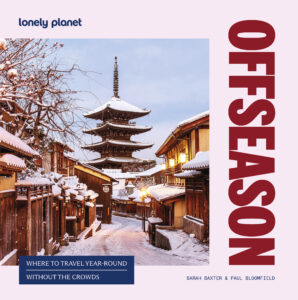
Lyon is among 100 destinations that feature in Offseason, a Lonely Planet book that encourages people to rethink their travel plans. Organized month-by-month, it presents the ideal times to experience some of the world’s most popular destinations with fewer crowds, better value, and richer cultural experiences.
By travelling outside peak periods, visitors can discover a more authentic side of each destination through seasonal festivals, local traditions and experiences.
In Lyon, for example, November to February is recommended, starting with the lively Christmas markets which run from November to Christmas Eve; early December for the creative illuminations of Fête des Lumières; and January for the sales that create a shopper’s paradise in the city’s famous traboules (covered passageways that were originally built for silk weavers).
What if the best time to visit a bucket-list destination wasn’t peak season at all?
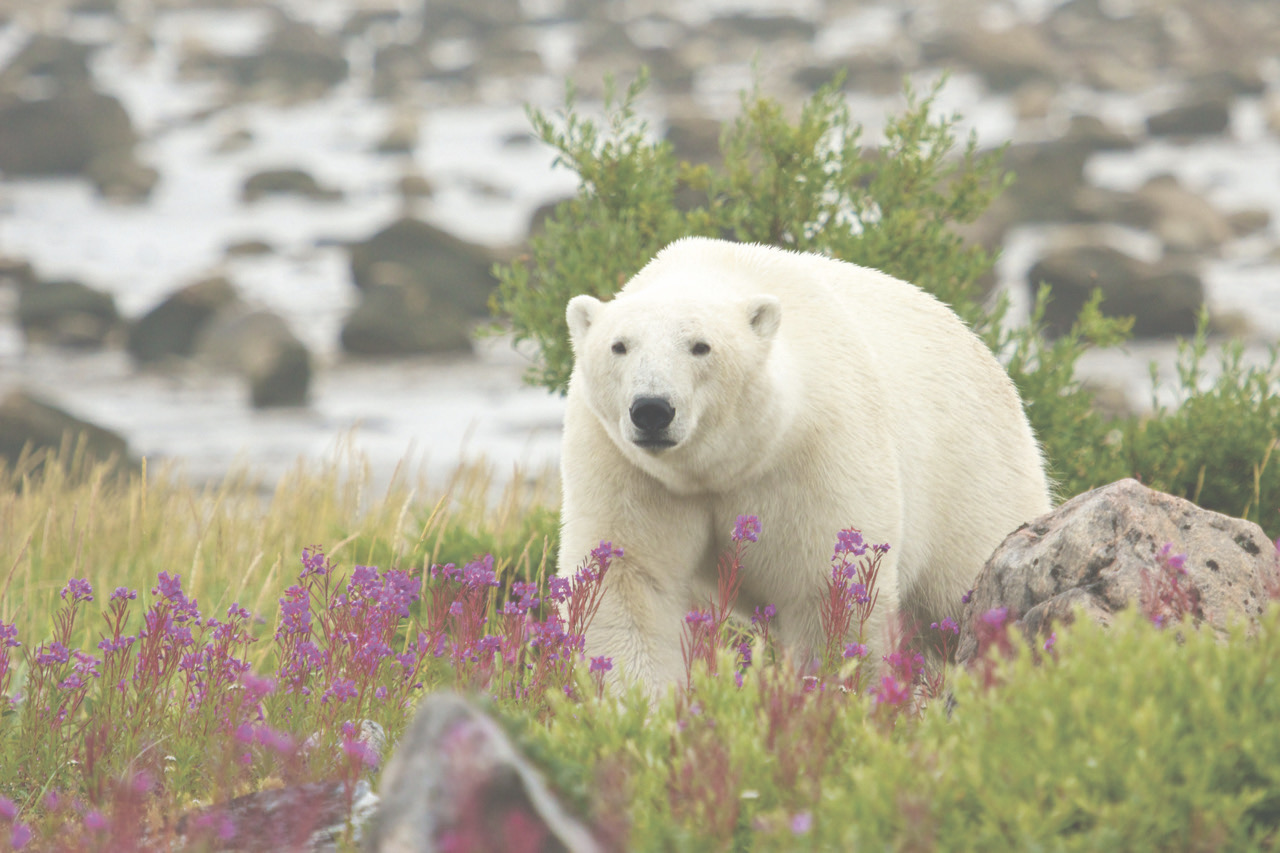
October and November are generally considered to be the best months to see polar bears in Churchill, Canada, when the bears gather by the lake, waiting for the waters to freeze so they can hunt on the ice. Fat-wheeled buggies take travellers onto the tundra for close encounters; advance booking is essential. But the bears begin migrating to Churchill from July – it’s not uncommon to see them wandering about in the longer, warmer days of summer, rolling around in the season’s magenta fireweed.
A bonus is that it is also around this time that 60,000 beluga congregate to feed on Hudson Bay’s capelin and Arctic char. It’s possible to see the whales by boat, Zodiac, kayak or even by AquaGliding, which involves donning a wetsuit and being pulled through the water on a floating mat.
For another wildlife bonanza, you could go snorkelling or do a jungle tour in the Galapagos in March, when you’ll spend less and see more, all with a little bit more elbow room. You could head to Madagascar in November for prime lemur-spotting, Namibia in May for stellar stargazing, or the Dolomites in July for wildflowers, mild temperatures and lush forests.
December is a great time to tackle Japan’s near-empty hiking trails before warming up at an onsen, while Romania in January might be chilly but it’s also a great time to explore remote trails and villages that appear to have changed little in centuries. While there, you could book into an igloo hotel at a much cheaper price than Sweden’s better-known subzero stay.
Each of the entries in Offseason highlights the top things to see and do, as well as tips to help you plan. For me, the appeal of travelling outside peak season lies in fewer tourists, cheaper prices, and a feeling that I’m doing my bit in ‘spreading the load’ — that is, not adding to the pressure on destinations that are already pushed to the limit by over-tourism.
Offseason is available from bookshops or online at shop.lonelyplanet.com
Photos supplied by Lonely Planet and reproduced with permission.


