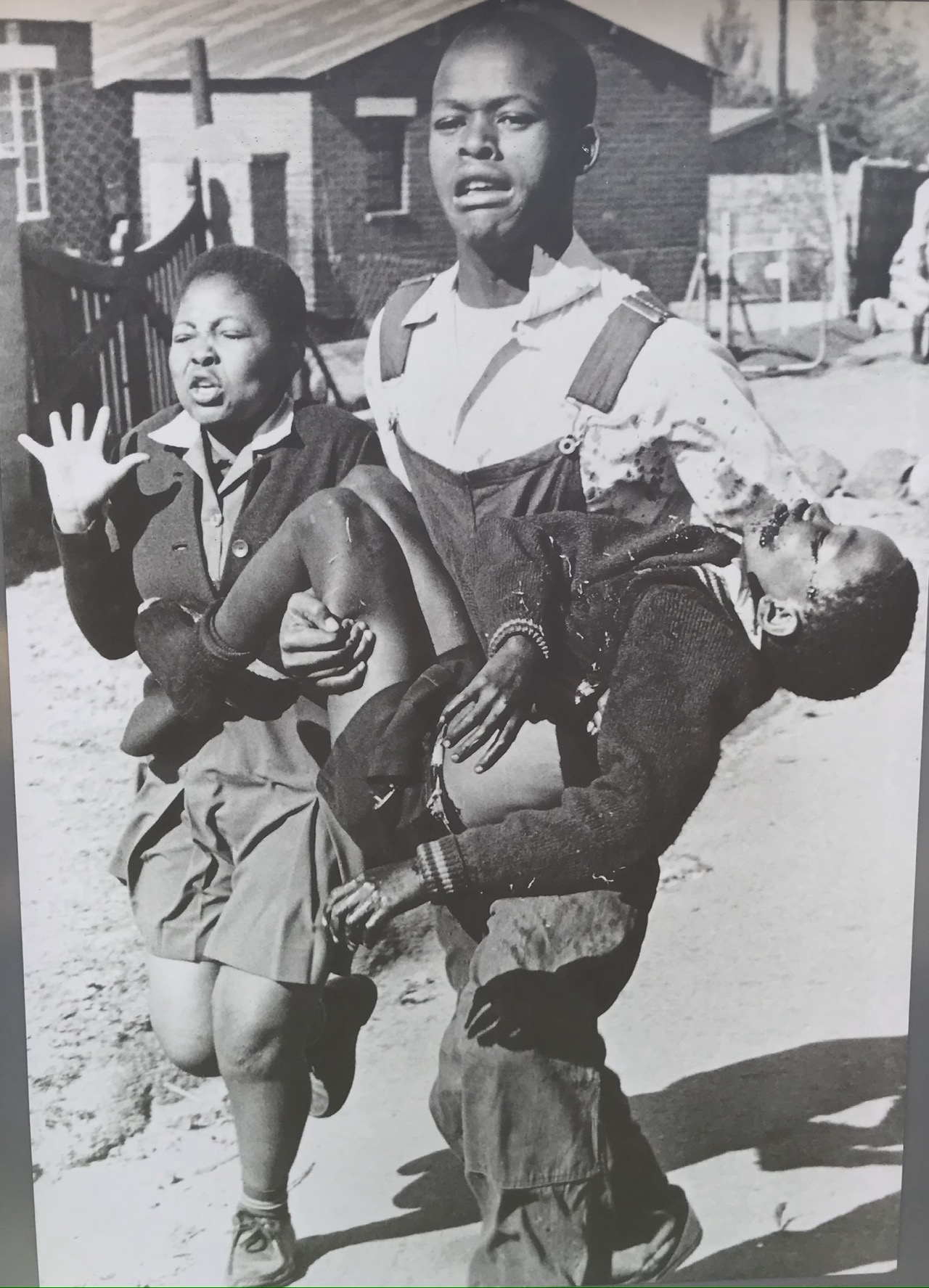
You might recognize this picture. It’s been in the news a lot this week, being 50 years since the young boy in the photo, Hector Pieterson, was fatally shot during the 1976 Soweto Uprising.
The ripples from Sam Nzima’s photo of Mbuyisa Makhubo carrying the mortally wounded 12-year-old were felt around the world.
Hector became a global symbol of apartheid brutality, his death a turning point in the fight to end a regime that systematically denied political, economic, and civil rights to South Africa’s non-white majority. The police shooting of the young boy drew condemnation from around the world.
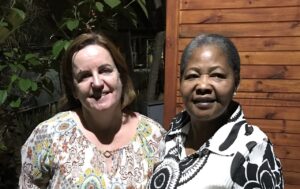
In the photo, Hector’s older sister, Antoinette, can be seen running alongside her brother in distress. During my visit to South Africa in 2019, I had the honour of meeting Antoinette Sithole, née Pieterson, and sitting down to talk to her about that terrible day.
I’m old enough to remember the impact of that photo at the time — it has been clearly etched in my mind ever since – so I can honestly say that meeting Antoinette has been one of the greatest privileges of my life. Her quiet grace and willingness to forgive has stuck with me ever since.
As we sat around a campfire at Lebo’s Soweto guesthouse, tucking into boerenworst (beef sausage) and chicken stew cooked over the fire in a traditional three-legged cast iron pot, Antoinette recounted the story of June 16, 1976, the day that she and her only brother joined thousands of schoolchildren in a protest against a government policy mandating Afrikaans as the language of instruction in local schools.
What started as a non-violent protest turned tragic when police opened fire as the children marched towards Orlando Stadium. Hector was not the only one to die that day. By the end of the day, and in the months that followed, hundreds more died as the uprising spread across Soweto and around the country.
Antoinette remembers June 16, 1976, like it was yesterday. “All of a sudden there was a shot. I spotted my brother’s shoes. I saw blood coming from the side of his mouth.”
South Africa’s freedom was a long time coming, and it was 1990 before Nelson Mandela walked free and 1994 before he became President in the country’s first democratic elections. Antoinette met Mandela twice before his passing in 2013.
Today’s children find the story of the Soweto Uprising quite unbelievable, Antoinette says, and she laments that they don’t have the same sense of unity that existed amongst children then.
Despite it initially being very hard to talk about her brother’s death, Antoinette has recounted the story of the uprising thousands of times since in a bid to ensure it isn’t forgotten. As well as addressing organizations, parliaments, and schools at home and abroad, she gives tours at the Hector Pieterson Museum in Orlando West, Soweto.
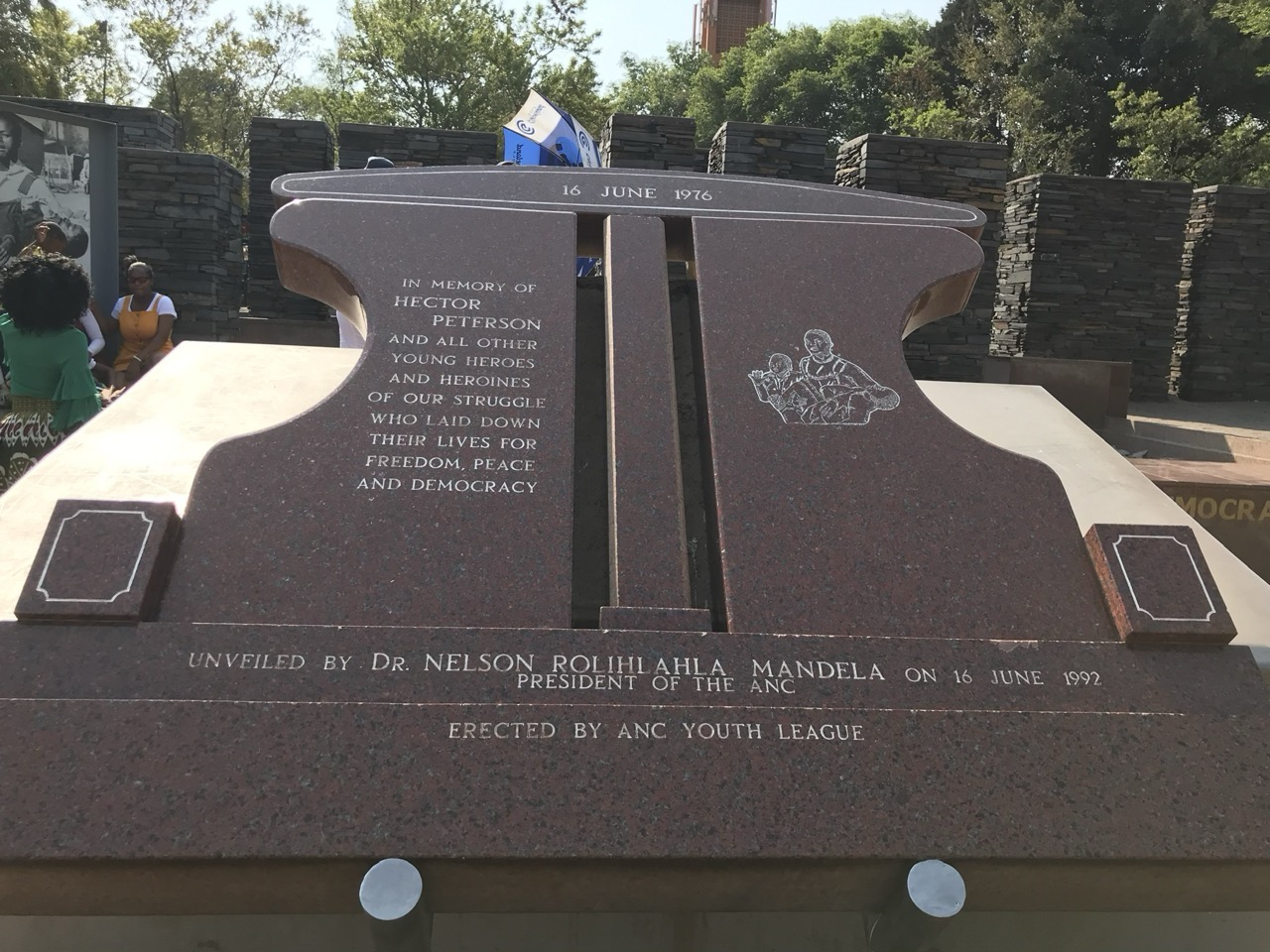
Just a short distance from where her brother was shot, the museum honours Hector Pieterson and all the students who risked and lost their lives in the Soweto Uprising. A nearby memorial wall lists the names of the young lives lost.
The story of South Africa’s journey to democracy is powerful and soul-stirring and not always easy to digest, but as a traveller you need to dig deep if you want to gain a greater understanding of a place and its people.
Meeting Antoinette crystallized South Africa for me. History becomes very real when you get to meet someone who was part of it.
I was hosted by South African Tourism on my 2019 visit. If you liked this story, you might also be interested in my story, Top Sites Associated With Nelson Mandela.